For construction equipment distributors, business growth depends on more than selling individual machines. Customers increasingly expect suppliers to provide a complete range of reliable equipment that supports different construction tasks. At the same time, distributors must manage purchasing costs, inventory, product quality, and after-sales service.
Building a reliable product supply portfolio is therefore an important strategy for wholesalers, importers, and regional distributors in the construction equipment industry.
Working with the right manufacturing partners can help distributors expand their product offerings, improve purchasing efficiency, and establish long-term relationships with contractors and construction companies.
In this article, we explore several important considerations for building a competitive construction equipment business.1. Understand the Product Requirements of Your Target MarketBefore expanding a product portfolio, distributors should understand the needs of their local construction markets.
Different countries and regions may have different construction practices, project sizes, labor costs, and equipment preferences.
For example:Residential construction companies may need compact and easy-to-operate equipment.Commercial contractors may prioritize productivity and consistent performance.Infrastructure contractors may require durable machinery suitable for demanding working environments.Equipment rental companies may focus on maintenance requirements, operating costs, and product durability.Understanding these differences helps a construction equipment distributor select products that match actual customer demand rather than simply increasing the number of available models.
Market research should also consider local regulations, electrical standards, voltage requirements, and commonly used construction materials.2. Develop a Balanced Construction Equipment Product RangeA competitive product portfolio should cover several related construction applications.
Instead of relying on a single product category, distributors can consider combining equipment used for concrete preparation, surface finishing, and wall construction.
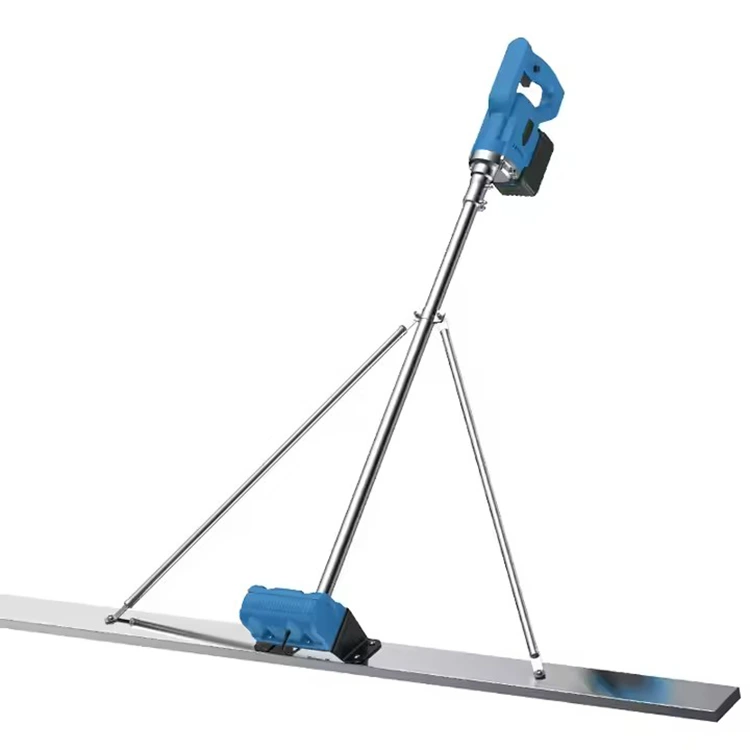
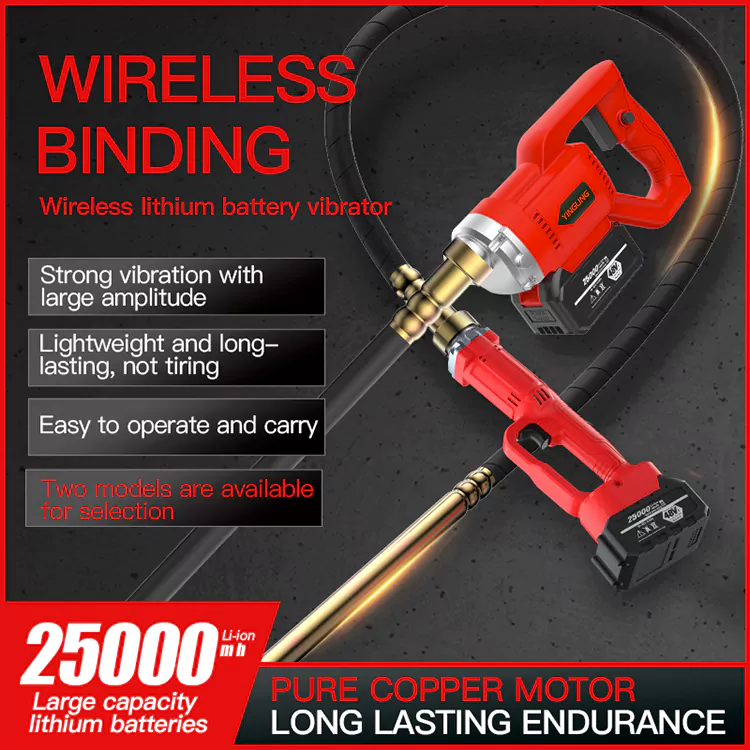
Some important product categories include:Concrete VibratorsA concrete vibrator is commonly used to remove trapped air from freshly poured concrete. It helps improve concrete consolidation and contributes to a more consistent finished structure.
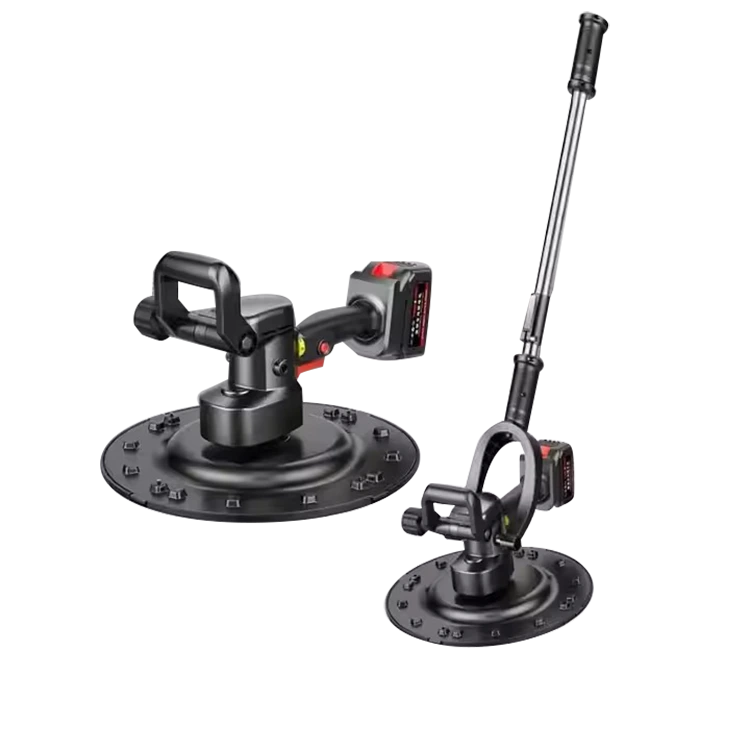
Distributors can evaluate different models based on motor power, vibration performance, operating convenience, and application requirements.Power Trowel MachinesA power trowel machine is used for finishing and smoothing concrete floor surfaces.
These machines are relevant to contractors working on warehouses, commercial buildings, industrial floors, and other concrete flooring projects.
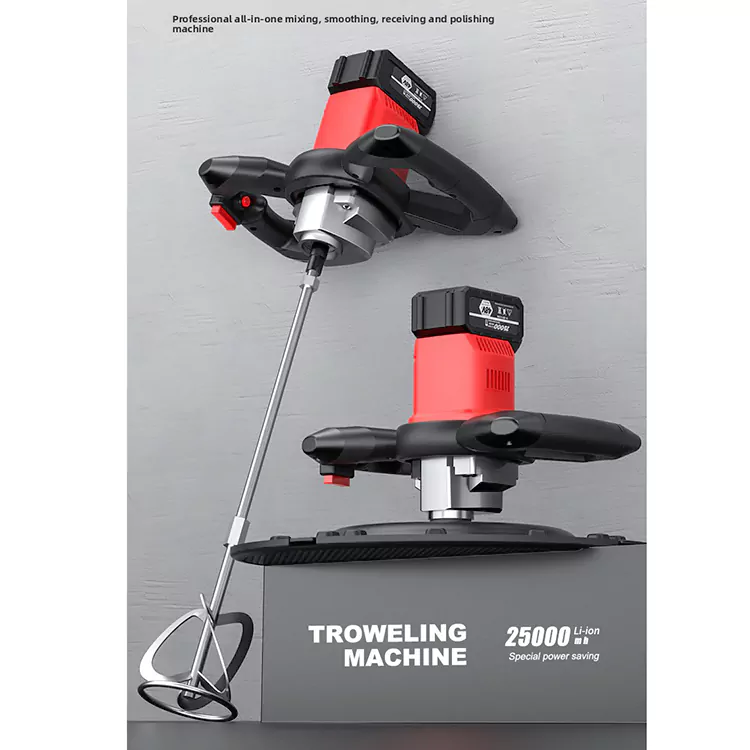
When selecting products for distribution, buyers should consider machine stability, blade availability, operating efficiency, and maintenance requirements.Concrete Mixer MachinesA concrete mixer machine helps combine cement, sand, aggregates, and water to produce concrete mixtures.
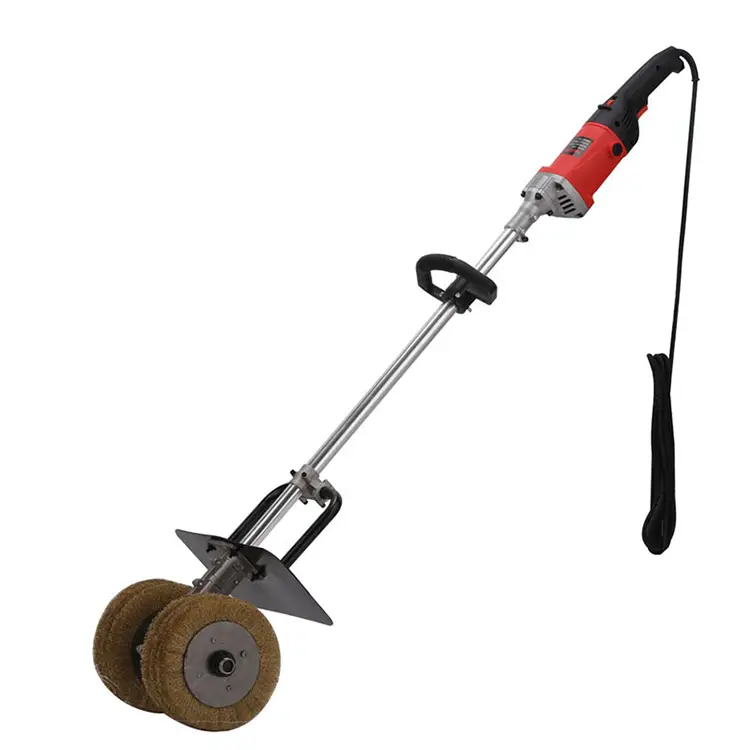
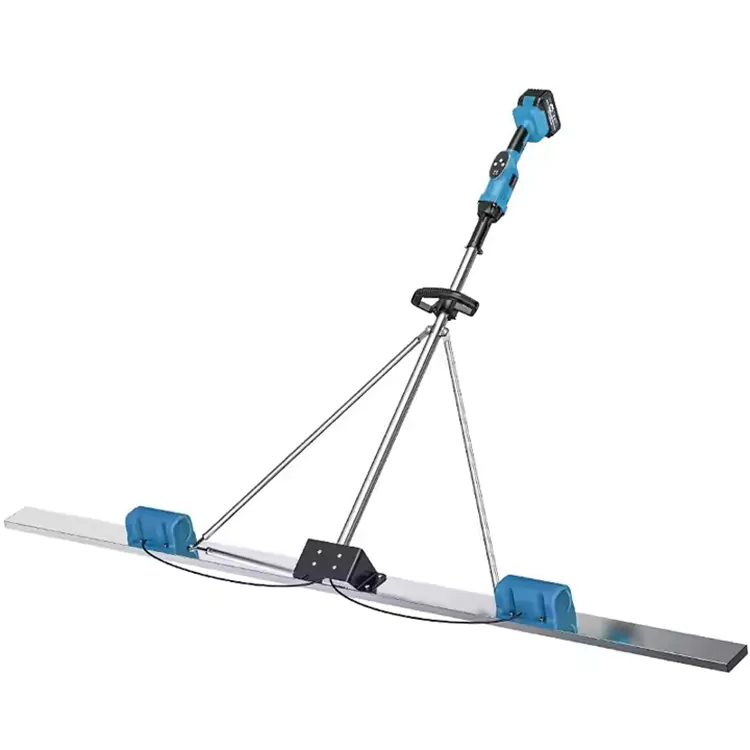
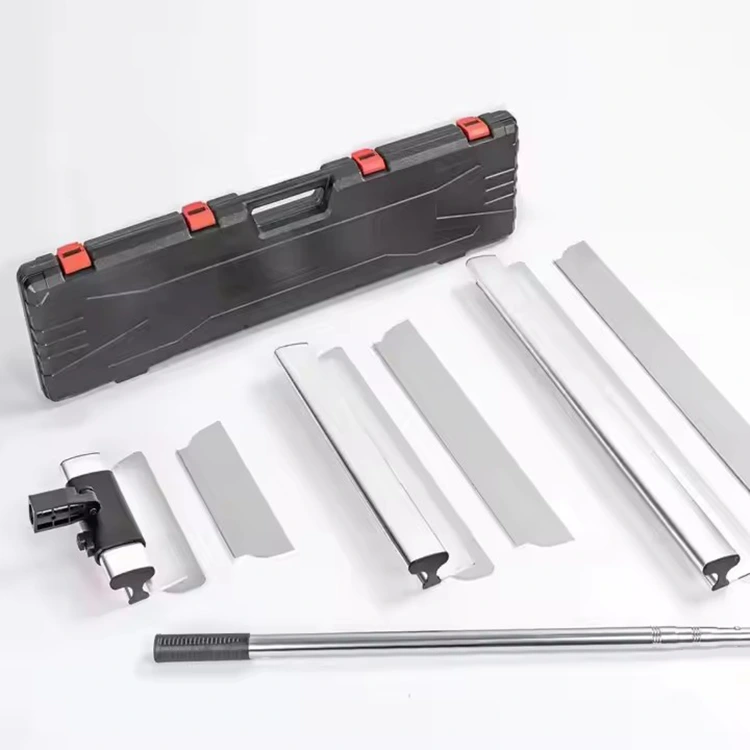
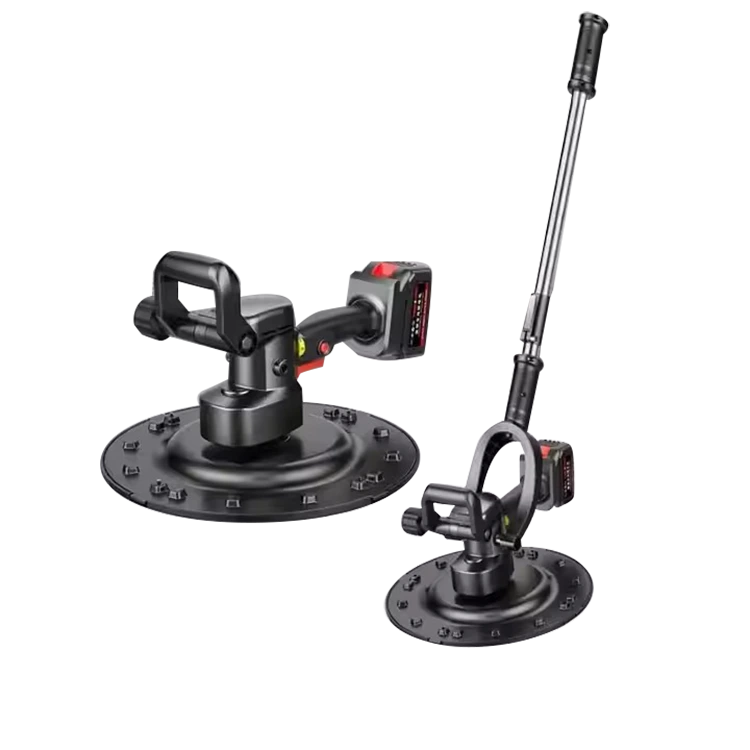
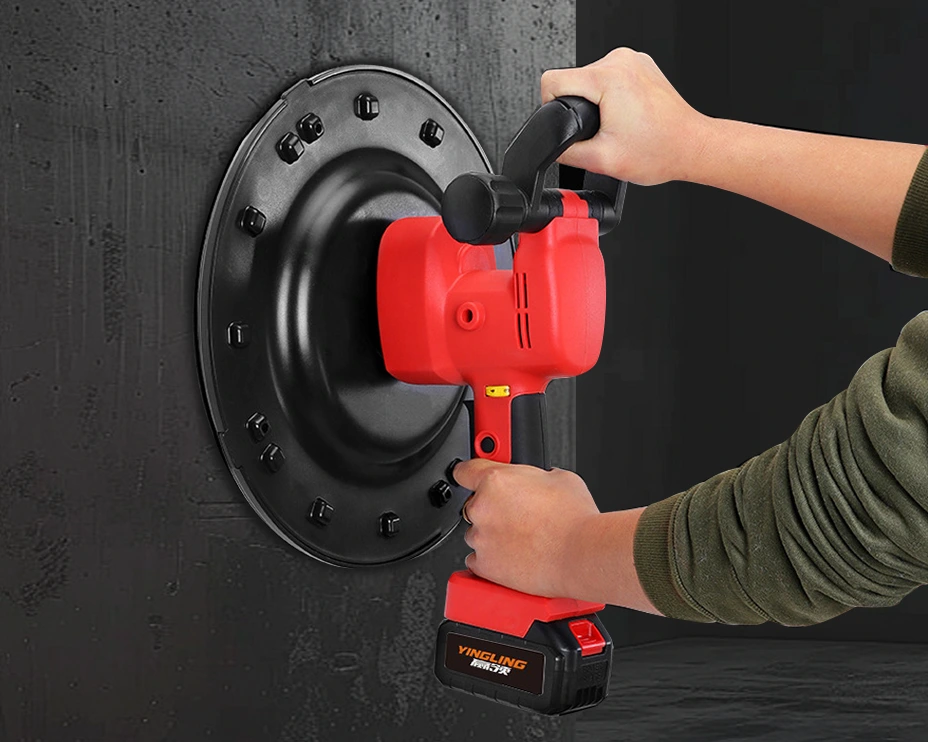
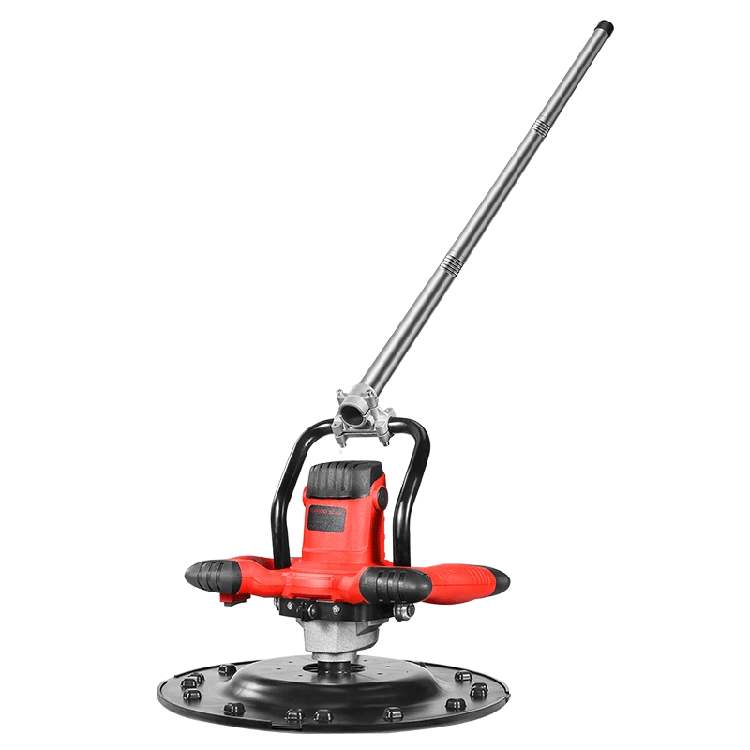
Different project sizes require different mixing capacities and machine configurations. Distributors should therefore consider the needs of both small construction teams and larger contractors.Other Construction EquipmentDepending on local demand, distributors may also consider wall planers, wall slotting machines, and other specialized construction tools.
A balanced product range allows distributors to serve different customer groups and create more opportunities for repeat purchases.3. Evaluate Manufacturing Partners Beyond Product PricesPrice is an important factor in international purchasing, but it should not be the only consideration.
A competitive quotation does not necessarily mean a profitable long-term business relationship.
When evaluating a construction tools manufacturer, distributors should pay attention to several factors:
Manufacturing capability
Understand whether the supplier operates its own production facilities, manages product assembly, and has experience manufacturing the relevant equipment.
Product consistency
Ask about production procedures, quality inspection standards, and how the manufacturer maintains consistency between different production batches.
Technical support
Reliable suppliers should be able to provide product specifications, operating instructions, technical information, and troubleshooting assistance.
Communication efficiency
Clear communication is particularly important when dealing with international orders, technical questions, packaging requirements, and delivery schedules.
Long-term cooperation
A supplier that understands the distributor's market and business requirements can become a valuable partner as the business expands.
Distributors should evaluate suppliers based on their overall capabilities rather than choosing exclusively according to the lowest quotation.4. Consider Spare Parts and After-Sales SupportAfter-sales service is one of the most important factors affecting customer satisfaction in the construction equipment industry.
Construction machinery operates in demanding environments. Components may experience wear and tear, and equipment may occasionally require maintenance or replacement parts.
For distributors, this creates two important responsibilities.
First, they need to understand which components are commonly replaced during regular maintenance.
Second, they need to confirm whether their manufacturing partners can provide the necessary technical documentation and spare parts support.
Before placing an order, distributors should ask suppliers about:Availability of commonly used replacement componentsSpare parts ordering proceduresProduct maintenance instructionsTechnical troubleshooting supportWarranty terms and service responsibilitiesAvailability of replacement blades, motors, and other applicable componentsA well-planned spare parts system can reduce equipment downtime and help distributors build stronger relationships with contractors.
It can also create additional business opportunities through repeat spare parts orders.5. Plan Inventory According to Product DemandInventory management directly affects the profitability of a construction equipment distribution business.
Holding too much inventory increases storage costs and ties up working capital. Holding too little inventory can result in missed sales opportunities and delayed customer deliveries.
A practical inventory strategy should consider:
Sales history: Analyze which products generate the most consistent demand.
Customer purchasing cycles: Some construction equipment categories may experience seasonal demand depending on regional construction activity.
Product combinations: Keep frequently purchased products and commonly requested accessories available where possible.
Supplier lead times: Understand production schedules and shipping arrangements before making inventory commitments.
Market testing: When introducing a new product category, consider starting with a smaller order to evaluate customer feedback before increasing inventory.
For new distributors, a carefully controlled product range is often more manageable than purchasing large quantities of multiple machines at the beginning.6. Explore OEM and Private Label OpportunitiesFor established distributors and importers, selling products under their own brand can be an effective way to differentiate themselves from competitors.
Depending on the manufacturer's capabilities, OEM cooperation may involve:Customized product labels and logosBranded packagingProduct manuals and documentationSpecific product configurationsCustomized accessoriesPackaging requirements for different marketsBefore starting an OEM project, distributors should confirm minimum order quantities, customization costs, sample approval procedures, production lead times, and quality requirements.
Not every manufacturer offers the same level of customization, so these details should be discussed before placing an order.
A well-organized OEM partnership can help distributors develop their own market identity while maintaining a manufacturing relationship with an experienced supplier.7. Build a Long-Term Relationship with Your Equipment SupplierInternational equipment purchasing should be viewed as an ongoing business relationship rather than a series of independent transactions.
A dependable supplier relationship can help distributors improve purchasing efficiency, coordinate product development, and respond more effectively to changing market demand.
Both parties should establish clear expectations regarding:Product specifications and approved samplesOrder quantities and payment termsProduction and delivery schedulesQuality inspection requirementsPackaging and shipping arrangementsAfter-sales responsibilitiesRegular communication also helps manufacturers understand customer feedback from overseas markets.
This information can support future product improvements and help both businesses identify new market opportunities.8. Why Choosing the Right Chinese Manufacturing Partner MattersChina has an extensive manufacturing industry covering different types of construction machinery and tools.
For international distributors, working directly with a Chinese factory may provide opportunities to access a broader product range and communicate directly with the production team.
However, the value of a manufacturing partnership depends on the supplier's actual production capabilities, product quality, technical experience, and ability to support long-term cooperation.
Yongkang Zhouxun Machinery Co., Ltd. is a Chinese manufacturer specializing in the development, production, and sales of construction machinery and equipment.
Its product range includes concrete vibrators, concrete mixers, power trowel machines, wall planers, and other construction tools.
With its manufacturing facilities in Yongkang, Zhejiang, China, Zhouxun serves customers looking for construction equipment products and manufacturing cooperation.
For overseas importers, wholesalers, and distributors, understanding the manufacturer's product range and production capabilities is a useful starting point when evaluating potential supply partnerships.ConclusionBuilding a competitive construction equipment distribution business requires more than finding products at attractive prices.
Distributors need to understand their target markets, develop a balanced product portfolio, manage inventory carefully, and establish reliable manufacturing and after-sales support systems.
Whether you are sourcing a concrete vibrator, a power trowel machine, or a concrete mixer machine, choosing the right manufacturing partner can make a significant difference to your long-term business development.
If you are looking for a Chinese construction machinery manufacturer for your distribution business, contact Zhouxun to learn more about its product range and potential cooperation opportunities.
Contact Zhouxun Machinery to discuss your construction equipment sourcing requirements and explore long-term business cooperation.
We use cookies to offer you a better browsing experience, analyze site traffic and personalize content. By using this site, you agree to our use of cookies. Privacy Policy