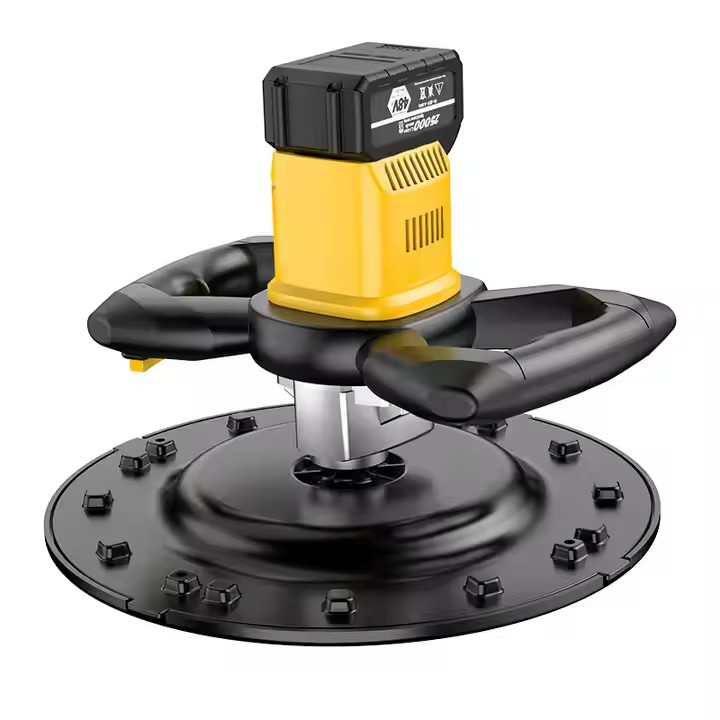
Achieving a smooth, even plaster finish is essential for professional construction projects. However, traditional manual plastering can require considerable physical effort, repeated movements, and substantial working time. A Plastering Electric Trowel with Straight Handle offers a more efficient approach by combining powered surface treatment with a practical handle design. For contractors, renovation teams, and construction equipment distributors, understanding its working advantages can help improve finishing quality and daily productivity.
Article Summary
A Plastering Electric Trowel with Straight Handle is designed to support plaster smoothing, leveling, and finishing operations. Its powered rotating or working disc helps distribute pressure across the surface, while the straight handle provides a direct and comfortable grip. This article explains how the equipment works, its major benefits, suitable applications, purchasing considerations, operating procedures, and maintenance requirements. It also explores how Yongkang Zhouxun Machinery Co., Ltd. supports practical construction tool solutions.
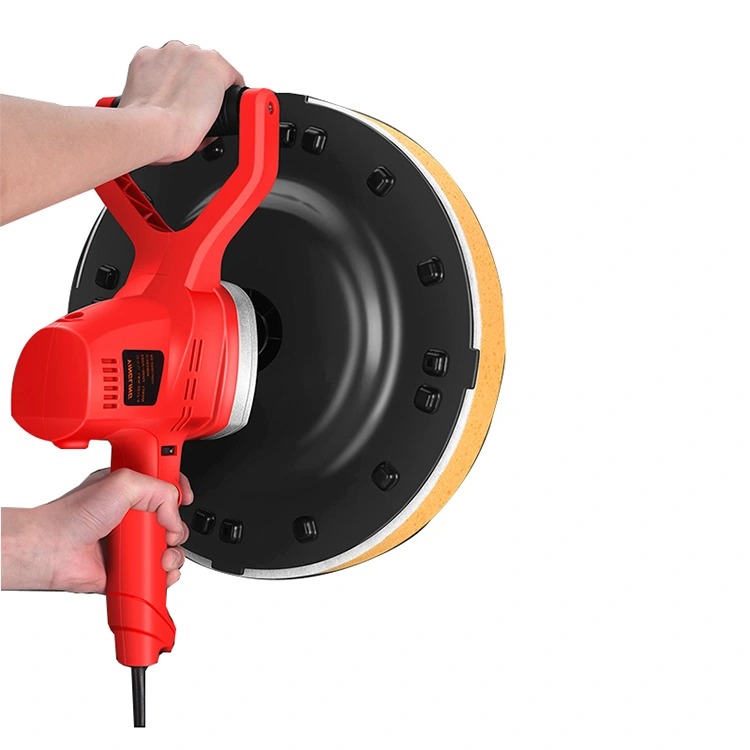
Wall finishing is one of the most important stages in residential, commercial, and industrial construction. Even when the underlying structure is properly built, an uneven plaster surface can affect the appearance of the entire project. It may also increase the workload of subsequent painting, coating, wallpaper installation, and decorative finishing.
Traditional hand plastering relies heavily on the operator's technique and physical strength. Workers must repeatedly move manual tools across the surface, control pressure, and maintain consistent working angles. On large projects, these repeated actions can increase fatigue and make it more difficult to maintain uniform results throughout the working day.
A powered plastering tool helps address several of these challenges:
The goal is not simply to make a machine move faster. It is to help workers achieve a more controlled finishing process while maintaining the quality requirements of the project.
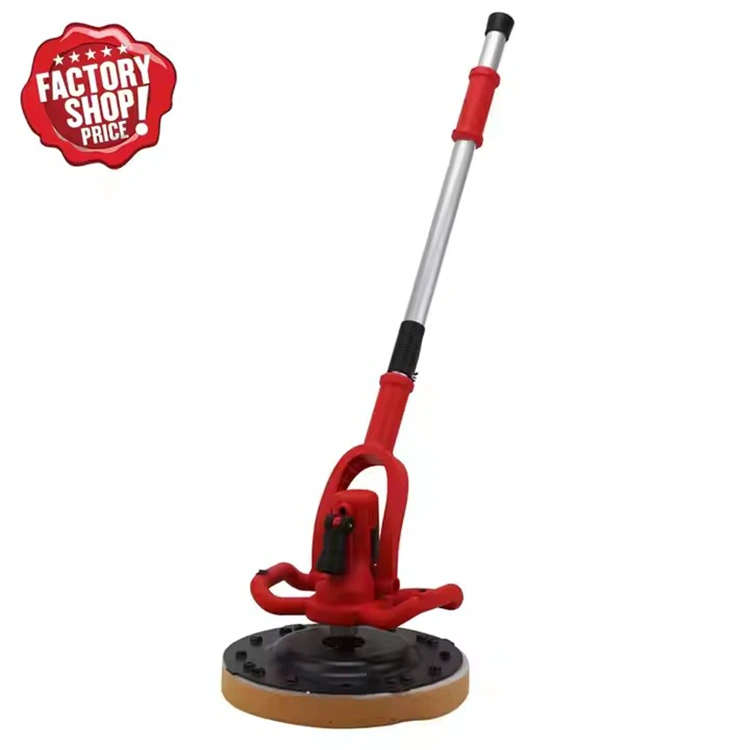
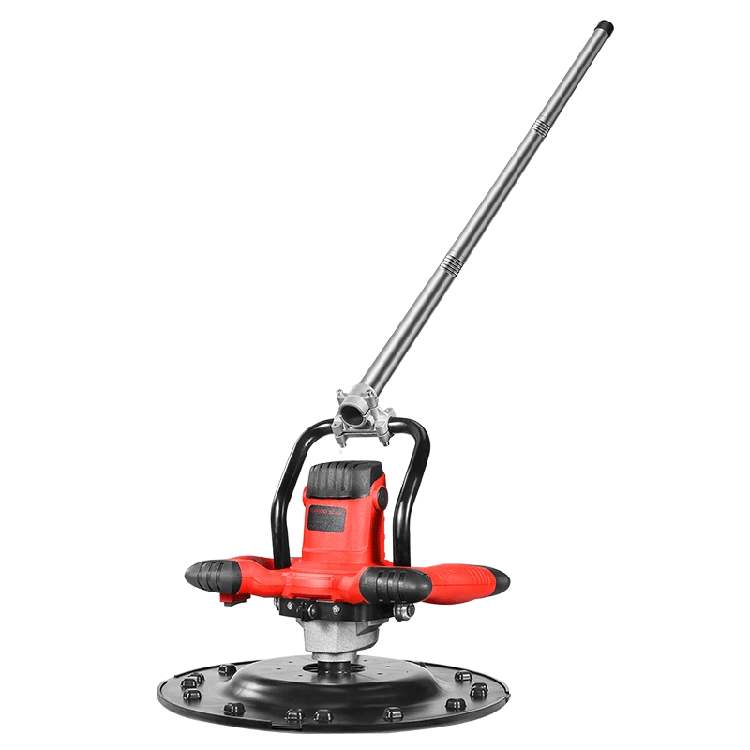
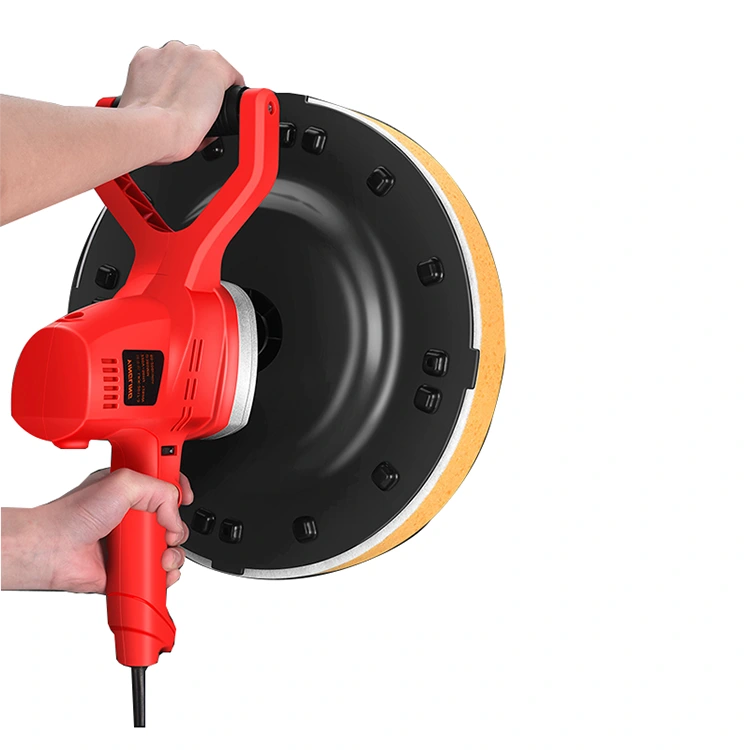
A Plastering Electric Trowel with Straight Handle is a powered construction tool used for smoothing, leveling, and finishing plastered surfaces. It typically combines an electric motor, a working disc or plate, a control switch, and a handle assembly that allows the operator to guide the equipment across the working area.
Unlike a conventional hand float, which depends entirely on manual movement, an electric plastering trowel uses motor-driven movement to assist surface treatment. Depending on the machine configuration and compatible accessories, it can be used for different stages of wall finishing, including smoothing and polishing.
The straight handle provides a direct connection between the operator's hands and the machine body. This layout is designed to make the tool easier to guide and control during continuous work.
A practical handle design should consider:
For contractors who regularly perform plaster finishing, the handle structure is an important factor because it directly influences working posture, maneuverability, and overall operating experience.
After the machine is powered on, the motor drives the working mechanism. The operator guides the trowel over the plastered surface using controlled movements. The contact between the working disc and the plaster helps smooth minor irregularities and improve surface consistency.
The appropriate speed and accessory depend on the material, moisture condition, and finishing requirements. Operators should always follow the equipment manufacturer's instructions and test the machine on a small area before beginning full-scale work.
The straight handle offers a straightforward operating layout. Workers can guide the machine across the surface while maintaining a clear understanding of the direction of movement. This is particularly useful when working along wall sections that require consistent finishing passes.
Manual plaster finishing requires repeated arm and wrist movements. An electric trowel takes over part of the mechanical work, helping reduce repetitive effort. Although operators still need to guide and stabilize the machine, powered assistance can make longer finishing tasks more manageable.
Maintaining consistent pressure with a hand float over a large area can be challenging. A powered trowel with a suitable working plate helps provide more uniform contact when operated correctly.
This can be particularly beneficial when finishing large wall sections where visible differences between working areas may affect the final appearance.
Some electric plastering machines provide adjustable speed settings and interchangeable accessories. These features allow users to select an appropriate working configuration for different plaster materials and surface conditions.
By reducing the time spent on repetitive finishing movements, electric equipment can help contractors allocate labor more effectively. Workers may be able to complete surface treatment sooner and move on to other scheduled construction activities.
When comparing electric plastering equipment, buyers should look beyond the product name and examine the actual construction, motor configuration, control system, and accessory compatibility.
| Feature | What to Check | Why It Matters |
|---|---|---|
| Motor | Motor type, rated power, and thermal protection | Influences operating stability and durability. |
| Speed control | Available speed settings and adjustment method | Helps match operation to different materials. |
| Working disc | Diameter, material, and attachment system | Affects surface contact and finishing coverage. |
| Handle | Grip material, length, and structural strength | Influences comfort and handling stability. |
| Safety switch | Switch protection and operating arrangement | Supports safer daily operation. |
| Power supply | Voltage, battery configuration, or cable requirements | Determines compatibility with the working environment. |
| Accessories | Availability of compatible discs and replacement parts | Helps support different finishing requirements. |
The motor is the core component of an electric plastering trowel. Buyers should evaluate its rated power, operating stability, heat dissipation, and suitability for the expected workload. A machine intended for frequent professional use should be designed to handle the working conditions specified by its manufacturer.
Different plaster materials do not always respond well to the same working speed. A lower speed may offer better control during initial surface treatment, while a higher setting may be appropriate for certain finishing operations.
An adjustable speed system allows operators to adapt the machine instead of relying on one fixed operating condition. The correct setting should always be determined through the manufacturer's recommendations and a practical test.
The working disc is another important consideration. Its diameter influences the contact area, while the surface material and attachment method affect its suitability for specific applications.
Before purchasing, confirm whether replacement discs, polishing accessories, and other consumables are readily available from the supplier.
A Plastering Electric Trowel with Straight Handle can support a range of surface finishing tasks, provided the machine and accessories are suitable for the material and working conditions.
In apartments, houses, and residential developments, wall plastering often involves numerous rooms and large surface areas. Electric finishing tools can help contractors improve work efficiency while maintaining a consistent surface appearance.
Office buildings, shopping centers, hotels, and other commercial properties frequently require extensive wall finishing. Powered trowels can help construction teams manage repetitive surface treatment more efficiently.
Renovation projects often involve repairing old walls, smoothing newly applied plaster, and preparing surfaces for decorative coatings. A suitable electric trowel can assist with these finishing tasks when used with compatible materials.
Professional plastering contractors may use electric trowels as part of their daily equipment selection. The right machine can help reduce repetitive work and improve the consistency of finishing operations across different projects.
Depending on the machine model and working accessories, possible applications may include:
Always check material compatibility before use. Not every electric trowel is suitable for every plaster formulation or finishing process.
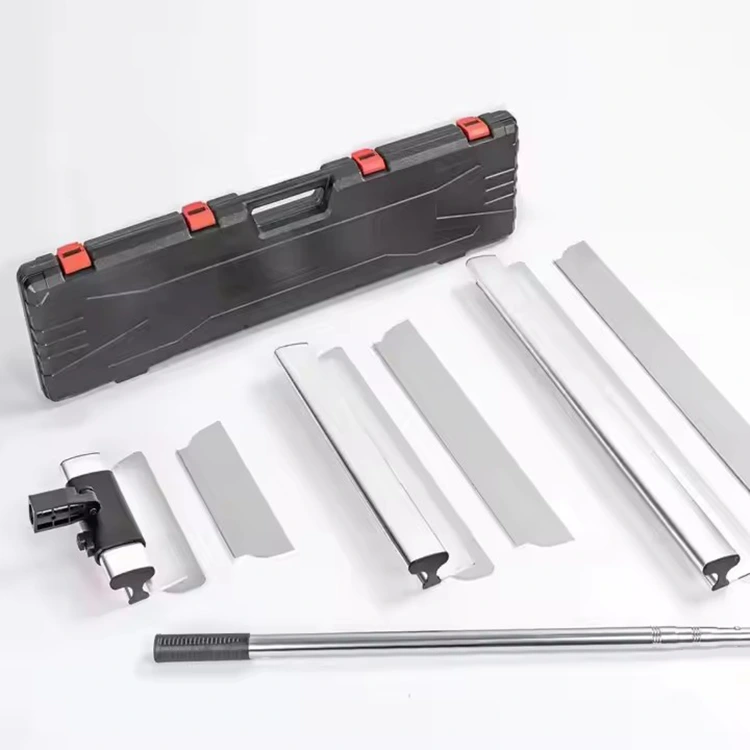
Manual tools remain valuable for corners, narrow areas, detailed repairs, and finishing work that requires close control. However, powered equipment can offer practical advantages when treating larger surfaces repeatedly.
| Comparison Item | Manual Plastering | Electric Plastering Trowel |
|---|---|---|
| Power source | Human physical effort | Electric motor or battery |
| Working method | Manual rubbing and smoothing | Motor-assisted surface treatment |
| Labor intensity | Higher during repetitive tasks | Reduced repetitive manual effort |
| Working efficiency | Depends heavily on manual speed | Can improve productivity on suitable surfaces |
| Surface consistency | Depends on operator technique | Benefits from controlled mechanical movement |
| Detailed finishing | Highly flexible for small areas | May require manual tools for corners and edges |
| Equipment investment | Generally lower | Higher initial equipment cost |
The most practical solution for many construction teams is to combine electric equipment with traditional hand tools. The electric trowel can handle suitable open surface areas, while manual tools provide precision in corners, around openings, and in other restricted locations.
Selecting the right machine is not simply a matter of choosing the highest power rating. Buyers should consider their project requirements, operating environment, expected workload, and long-term maintenance needs.
Determine whether the machine will primarily be used for wall smoothing, plaster leveling, fine finishing, or multiple surface treatment tasks. Different applications may require different working discs and operating speeds.
If direct handling and a straightforward grip arrangement are important, evaluate the straight handle design carefully. Check its length, grip comfort, connection strength, and ease of operation.
Review rated power, speed range, motor type, and protection features. Avoid comparing machines based only on maximum speed, because actual finishing performance also depends on torque, working disc design, and material conditions.
Machine weight affects handling, particularly when operators need to work for extended periods. A well-balanced design and comfortable grip can improve the overall operating experience.
Ask the supplier about replacement working discs, spare parts, warranty coverage, technical assistance, and product documentation. These details can influence the total ownership cost.
For wholesale and project procurement, confirm the following information:
Correct operation is essential for obtaining a consistent finish and protecting the equipment. Even a high-quality machine requires suitable preparation, appropriate settings, and trained handling.
Switch off the machine and wait until all moving parts have completely stopped. Disconnect the power supply or remove the battery before cleaning, adjusting, or replacing accessories. Clean residual plaster from the working components according to the manufacturer's instructions.
Regular maintenance helps extend equipment service life and reduces the risk of unexpected interruptions on construction sites. Plastering materials can easily accumulate around working components, so cleaning and inspection should be part of the normal operating routine.
Remove plaster residue from the working disc, housing, and accessible surfaces. Do not allow hardened material to accumulate around moving parts or ventilation openings. Follow the manufacturer's cleaning instructions and avoid directing water into electrical components.
Check the disc for cracks, deformation, uneven wear, or damaged attachment points. Replace worn or damaged accessories before they affect the finishing result or operating safety.
Keep air inlets and cooling passages free from dust and debris. Pay attention to unusual noise, excessive vibration, overheating, or changes in operating performance. Stop using the machine if a fault is suspected.
Keep the machine in a clean, dry location away from excessive moisture, direct impact, and extreme temperatures. For cordless models, follow the battery manufacturer's charging and storage recommendations.
| Maintenance Task | Suggested Timing | Purpose |
|---|---|---|
| General visual inspection | Before each use | Identify visible damage or loose components. |
| Working disc cleaning | After each use | Prevent plaster buildup. |
| Ventilation inspection | Regularly | Maintain effective heat dissipation. |
| Accessory wear check | Before and after demanding jobs | Maintain safe and consistent operation. |
| Professional inspection | According to the service schedule | Identify potential mechanical or electrical faults. |
Choosing a construction power tool supplier involves more than comparing product prices. Buyers also need reliable product information, practical equipment configurations, consistent manufacturing quality, and responsive communication.
Yongkang Zhouxun Machinery Co., Ltd. focuses on power tools and construction equipment, providing solutions for users who need practical tools for demanding working environments.
When evaluating a Plastering Electric Trowel with Straight Handle, professional buyers should pay attention to several important areas:
For overseas importers, wholesalers, construction equipment distributors, and professional contractors, working directly with a manufacturer can also make it easier to discuss product requirements, order quantities, packaging, and potential cooperation arrangements.
Before placing an order, buyers are encouraged to request the latest product specifications and confirm that the selected machine matches their intended working conditions.
It is mainly used for smoothing, leveling, and finishing suitable plastered surfaces. Depending on the machine model and accessories, it may support different wall finishing operations.
A straight handle provides a direct grip and straightforward control arrangement. Its suitability depends on the operator's working posture, machine balance, handle length, and the type of finishing task.
Not completely. Electric equipment is useful for suitable open surfaces, while manual trowels remain important for corners, edges, narrow spaces, and detailed repairs. Combining both tools is often more practical.
Some models can handle different plaster materials, but compatibility depends on the machine design, working disc, and material condition. Always confirm the recommended applications with the manufacturer.
Yes. Adjustable speed allows operators to adapt the working process to different materials and finishing stages. It can improve control when the appropriate setting is selected.
Important considerations include motor specifications, speed adjustment, working disc diameter, handle ergonomics, machine weight, power supply, safety features, accessories, warranty, and spare parts availability.
Cordless models can be convenient where access to electrical outlets is limited or where cable movement may restrict operation. Buyers should evaluate battery capacity, charging time, runtime, and replacement battery availability.
Clean plaster residue after use, inspect the working disc, keep ventilation passages clear, check electrical connections, and store the machine in a dry environment. Follow the manufacturer's maintenance schedule.
Overseas buyers can contact Yongkang Zhouxun Machinery Co., Ltd. to discuss available models, wholesale requirements, product specifications, packaging, and delivery arrangements.
Provide the supplier with your plaster material, working surface, expected workload, preferred power supply, and finishing requirements. Request detailed specifications and confirm the recommended configuration before ordering.
Better wall finishing starts with suitable equipment. A well-designed Plastering Electric Trowel with Straight Handle can help construction professionals reduce repetitive manual effort, improve surface treatment consistency, and manage demanding finishing tasks more efficiently.
Whether you are a construction equipment wholesaler, importer, distributor, or professional contractor, Yongkang Zhouxun Machinery Co., Ltd.is ready to discuss your equipment requirements and provide product information for your business.
Looking for a reliable plastering tool supplier in China? Contact us today to request product details, discuss wholesale orders, and find a suitable solution for your market.
Contact Us for More DetailsChoosing the correct equipment and following the manufacturer's operating instructions are essential for safe and effective plastering work.