A smooth wall finish is more than just an aesthetic requirement. It affects paint appearance, surface consistency, project efficiency, and the overall quality of interior construction. However, uneven compound application, visible ridges, repeated sanding, and inconsistent results can make drywall finishing time-consuming and costly.
Drywall tools skimming blades provide an efficient solution for spreading joint compound, smoothing surface imperfections, and achieving a more consistent finish across large wall and ceiling areas. This article explains how skimming blades work, their main advantages, how to select the right tool, and how professional contractors and distributors can evaluate product quality before purchasing.
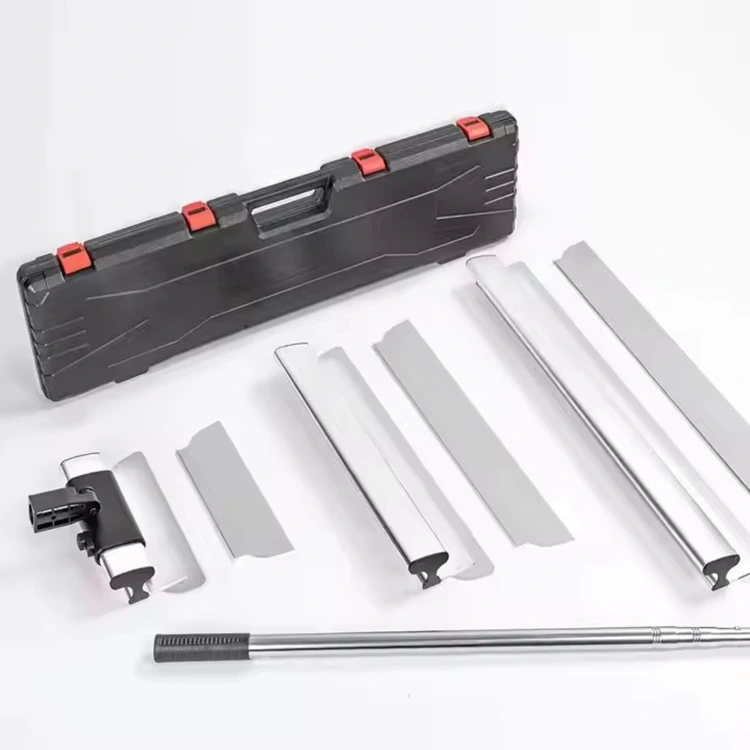
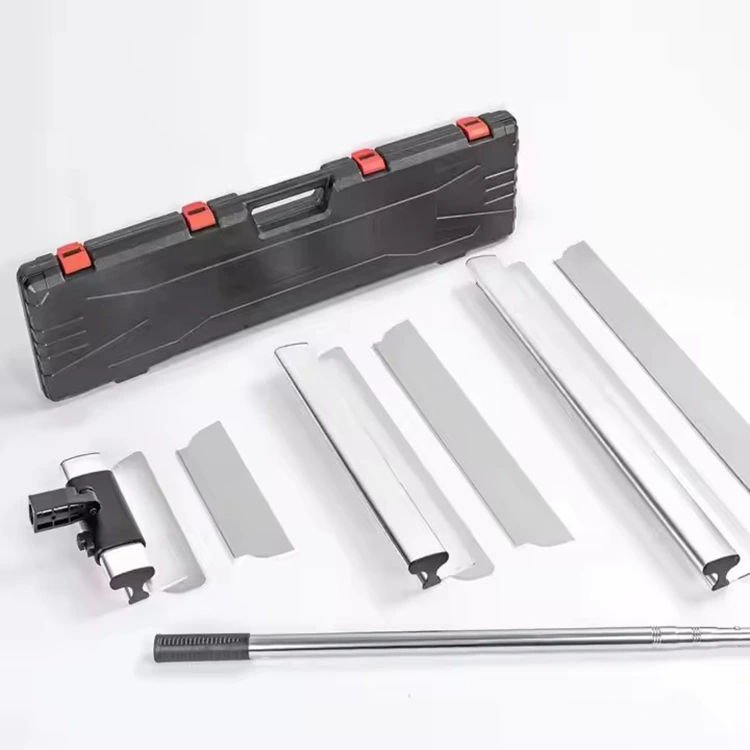
A drywall skimming blade is a specialized finishing tool designed to spread, level, and smooth joint compound or finishing plaster over drywall surfaces. It is commonly used during wall preparation, joint finishing, skim coating, and surface renovation.
Unlike smaller joint knives that are primarily intended for localized repairs and seam treatment, a skimming blade generally features a wider working edge. This allows users to cover larger areas with fewer passes while maintaining a relatively uniform compound layer.
Depending on the product design, skimming blades may feature stainless steel or other suitable materials, replaceable blades, different handle configurations, and various working widths.
Drywall finishing requires consistency. Even when high-quality joint compound is used, poor application techniques can leave ridges, uneven patches, and visible transitions that become particularly noticeable after painting.
A suitable skimming blade helps address these challenges by providing better control over compound distribution and surface leveling.
Uneven compound thickness is one of the most common reasons for inconsistent drywall finishes. Excess material in one area and insufficient coverage in another can create visible variations after the surface dries.
A properly selected skimming blade helps spread compound more evenly, reducing unnecessary buildup and making it easier to create a consistent finishing layer.
Lines and ridges often appear when compound is applied using tools that are too narrow, damaged, or unsuitable for the working area. A wide, straight, and properly maintained blade can help minimize these marks.
Paint highlights surface imperfections, especially under strong natural or artificial lighting. A smoother drywall surface provides a better foundation for primer and paint, helping achieve a more professional appearance.
For contractors managing multiple rooms, commercial interiors, or large renovation projects, consistent results are essential. Using suitable skimming tools helps standardize finishing techniques across different working areas.
Time management is a major concern for drywall contractors. Every additional application pass, unnecessary correction, and sanding operation can increase labor costs and extend project schedules.
Drywall tools skimming blades can improve workflow in several practical ways.
The wider working edge allows operators to spread compound across broader sections of drywall. This is particularly useful when skimming entire walls or preparing large ceiling surfaces.
When compound is distributed evenly during the initial application, contractors may spend less time correcting thick spots and surface transitions after drying.
A balanced blade provides more predictable contact with the wall. Operators can adjust pressure and working angles to remove excess compound without unnecessarily disturbing the underlying layer.
For professional teams, efficient tools help workers maintain a consistent pace. Although the actual productivity improvement depends on operator skill and project conditions, choosing appropriate blade dimensions and construction can make repetitive finishing work more manageable.
Not all drywall skimming blades deliver the same performance. Material selection, blade construction, flexibility, edge quality, and handle design all influence how a tool performs in real working conditions.
Stainless steel is a common material for professional finishing blades because it offers corrosion resistance, durability, and convenient cleaning when properly maintained.
Other blade materials and surface treatments may also be suitable depending on the intended application and product specifications.
Flexibility affects how the blade responds to pressure against the wall.
The best choice depends on the user's technique, the compound being applied, and the required finish.
A straight working edge is essential for uniform compound application. Uneven edges may leave unwanted lines or create inconsistent contact with the surface.
Buyers should evaluate edge finishing, blade alignment, and overall manufacturing consistency when comparing products.
Professional drywall workers may use skimming blades repeatedly throughout the day. An ergonomic handle with a secure connection can improve handling comfort and help reduce fatigue.
Some skimming blades feature replaceable working blades. This design can simplify maintenance and reduce the need to replace the entire tool when the blade becomes worn or damaged.
| Feature | What to Evaluate | Practical Benefit |
|---|---|---|
| Blade material | Material grade and corrosion resistance | Durability and easier cleaning |
| Flexibility | Response to working pressure | Better application control |
| Blade edge | Straightness and smooth finishing | More consistent surface results |
| Handle | Grip comfort and connection strength | Improved handling |
| Blade replacement | Replacement availability and compatibility | Convenient maintenance |
Blade width is one of the most important purchasing considerations. The correct size can improve coverage and handling, while an unsuitable blade may make finishing unnecessarily difficult.
Smaller blades are useful for localized repairs, narrow sections, corners, and areas where detailed control is required. They are also convenient when working around obstacles or architectural details.
Medium-width blades provide a practical balance between coverage and maneuverability. They are suitable for many general drywall finishing tasks and can be useful for contractors who work across different surface conditions.
Large blades are designed for broader surface coverage. They can help professional operators work efficiently on large walls and ceilings, especially when applying skim coats across extensive areas.
| Blade Category | Typical Applications | Main Consideration |
|---|---|---|
| Small | Repairs, corners, narrow sections | Precision and maneuverability |
| Medium | General drywall finishing | Balance between control and coverage |
| Large | Large walls and ceiling surfaces | Coverage and operator experience |
When purchasing for a professional team or retail distribution business, offering several blade sizes may provide greater flexibility for different customer requirements.
Even a high-quality blade cannot compensate for poor application techniques. Proper preparation, compound consistency, working pressure, and cleaning procedures all influence the final result.
Remove dust, loose material, and other contaminants before applying compound. Check for protruding screws, damaged joints, and significant surface defects that may require separate repairs.
Follow the manufacturer's instructions when mixing or preparing joint compound. The material should have a workable consistency that allows smooth spreading without excessive dripping or resistance.
Place compound onto the working surface and distribute it across a manageable section. Avoid applying excessive material, as thick layers may require more drying time and additional correction.
Position the blade against the wall and apply steady, controlled pressure. The working angle influences how much compound remains on the surface and how effectively excess material is removed.
Move the blade smoothly across the working area. Overlapping adjacent passes slightly can help reduce visible transitions and maintain more uniform coverage.
Check the finished section under suitable lighting. Correct obvious ridges or uneven areas before allowing the compound to dry.
Follow the compound manufacturer's drying recommendations. Once dry, perform any necessary sanding and surface preparation before applying primer or paint.
Drywall contractors frequently encounter finishing problems that affect both project efficiency and final appearance. Understanding these issues helps users select and operate the right tool.
Possible cause: Inconsistent pressure, uneven compound distribution, or an unsuitable blade edge.
Practical solution: Check blade straightness, maintain a consistent working angle, and use overlapping strokes to reduce visible transitions.
Possible cause: Too much compound has been left on the surface or application has created unnecessary buildup.
Practical solution: Remove excess compound during application and inspect each section before drying.
Possible cause: An inappropriate blade width, inconsistent material consistency, or irregular application techniques.
Practical solution: Select a blade suitable for the working area and maintain consistent compound preparation.
Possible cause: Poor handle ergonomics, unsuitable tool weight, or excessive pressure during repeated operations.
Practical solution: Choose a comfortable handle design, maintain a relaxed grip, and use appropriate working techniques.
Possible cause: Dried compound, dust, damaged edges, or foreign particles trapped between the blade and wall.
Practical solution: Clean the blade regularly, inspect the working edge, and remove contaminants before continuing.
Traditional drywall knives remain essential for many finishing applications. However, skimming blades offer different advantages when working across larger surface areas.
| Comparison | Skimming Blade | Traditional Joint Knife |
|---|---|---|
| Working width | Generally wider | Generally narrower |
| Large surface coverage | Well suited | Requires more passes |
| Localized repairs | Depends on blade size | Highly practical |
| Surface leveling | Suitable for broad skim coating | Suitable for smaller areas and joints |
| Detailed finishing | Depends on design and size | Often easier in tight spaces |
These tools should not necessarily be viewed as competing products. Many professional drywall contractors use both types as part of a complete finishing toolkit.
Regular maintenance helps preserve blade performance and extends the useful life of drywall finishing tools.
Remove joint compound from the blade and handle after completing each job. Dried compound can affect the working edge and create unwanted marks during subsequent applications.
Check for dents, bends, scratches, or other damage. A damaged edge may produce uneven results even when the operator uses the correct technique.
After cleaning, dry the blade thoroughly, particularly around joints and connections. Proper drying helps reduce corrosion risks for metal components.
A dedicated tool case or storage area can help prevent accidental bending, impact damage, and contamination from other construction equipment.
If a blade is no longer straight or its working edge is significantly damaged, replacement may be more practical than continued use. For replaceable-blade models, use compatible replacement components according to the manufacturer's instructions.
For contractors, hardware wholesalers, construction tool retailers, and international distributors, selecting a drywall skimming blade involves more than comparing the initial purchase price.
Product consistency, specifications, packaging, supply capability, and communication with the manufacturer can all affect the purchasing experience.
Before placing an order, verify the following details:
For bulk orders, consistency between individual units is particularly important. Buyers should ask about quality inspection procedures, dimensional tolerances where relevant, and the manufacturer's approach to maintaining stable production quality.
Different markets may have different requirements for product dimensions, handle styles, packaging, and branding. Buyers planning to develop their own product lines may benefit from discussing OEM or customization possibilities directly with the supplier.
Distributors and wholesalers should evaluate whether a manufacturer can support repeat orders, provide clear product specifications, and communicate production and delivery arrangements effectively.
When evaluating a new supplier, requesting samples can help buyers inspect the blade edge, flexibility, grip comfort, overall construction, and actual working performance before committing to a larger order.
A drywall skimming blade is mainly used to spread and smooth joint compound or finishing plaster across drywall surfaces. It helps level the material, reduce excess buildup, and prepare walls and ceilings for subsequent finishing work.
Yes. Skimming blades are widely suited to professional drywall finishing, renovation, and interior construction applications. The appropriate blade size and construction should be selected according to the project requirements.
Stainless steel is a common choice because of its corrosion resistance, durability, and ease of cleaning. However, buyers should always check the actual material specifications provided by the manufacturer.
Consider the working area and required level of control. Smaller blades are convenient for detailed work, medium sizes suit general finishing tasks, and larger blades are useful for covering broad wall and ceiling surfaces.
A suitable skimming blade and proper application technique can help reduce excess compound and visible ridges, potentially minimizing corrective sanding. However, some sanding may still be necessary depending on the surface condition and required finish.
Replacement frequency depends on usage, material quality, cleaning habits, and working conditions. A blade should be replaced when damage, deformation, or edge wear begins to affect finishing performance.
Some models feature replaceable blades, while others use fixed-blade construction. Buyers should confirm the product design and replacement component compatibility with the supplier before ordering.
Yes. Suitable skimming blades can be used for applying and smoothing compound on drywall ceilings. However, blade size, operator control, working position, and material consistency should be considered.
Wholesalers should evaluate product specifications, material consistency, quality inspection, packaging, customization options, sample availability, and repeat-order supply capability.
Customization depends on the manufacturer's production capabilities. Potential options may include blade dimensions, handle designs, packaging, and private-label branding. Buyers should discuss their drawings, quantities, and requirements with the manufacturer.
Achieving a smooth drywall finish requires the right combination of surface preparation, compound quality, application technique, and finishing equipment. A suitable drywall tools skimming blade can help contractors distribute compound more consistently, reduce unnecessary corrections, and improve their overall workflow.
For professional users, important selection factors include blade material, flexibility, edge quality, handle comfort, and available dimensions. For wholesalers and distributors, manufacturing consistency, customization options, and dependable supply are equally important.
Yongkang Zhouxun Machinery Co., Ltd. recognizes the importance of practical construction tools that support the daily needs of professional users and B2B buyers. When evaluating drywall finishing equipment, buyers should focus on clear product specifications, suitable applications, and reliable manufacturing support.
Whether you are a construction tool distributor, hardware wholesaler, importer, or professional equipment buyer, choosing the right supplier is an important step toward building a competitive product portfolio.
Contact Yongkang Zhouxun Machinery Co., Ltd. to discuss your drywall tools requirements, product specifications, bulk purchasing needs, and potential customization projects.
Contact us today to explore suitable product solutions and discuss your next business order.
Note: Actual product specifications, performance, available sizes, and customization options should be confirmed with the manufacturer before purchasing.