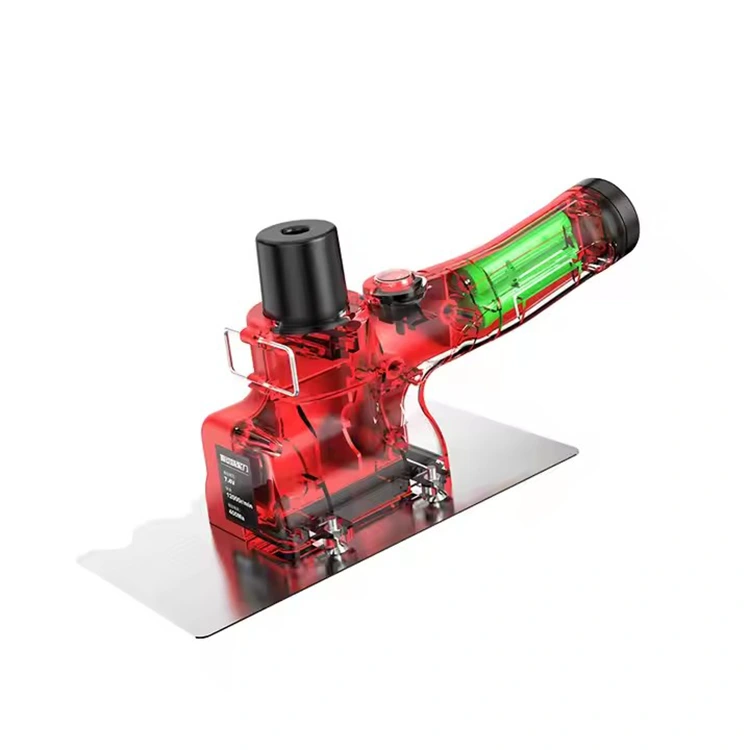
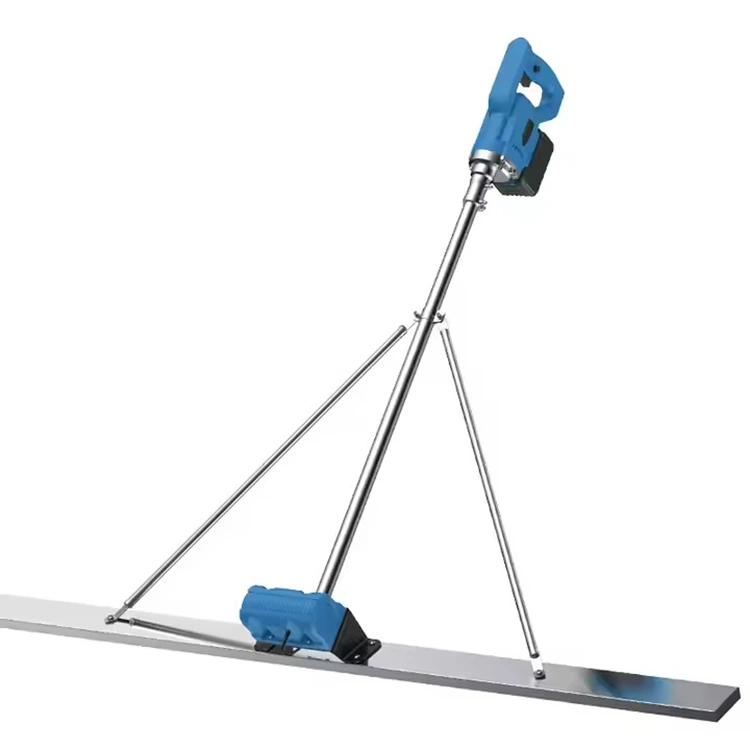
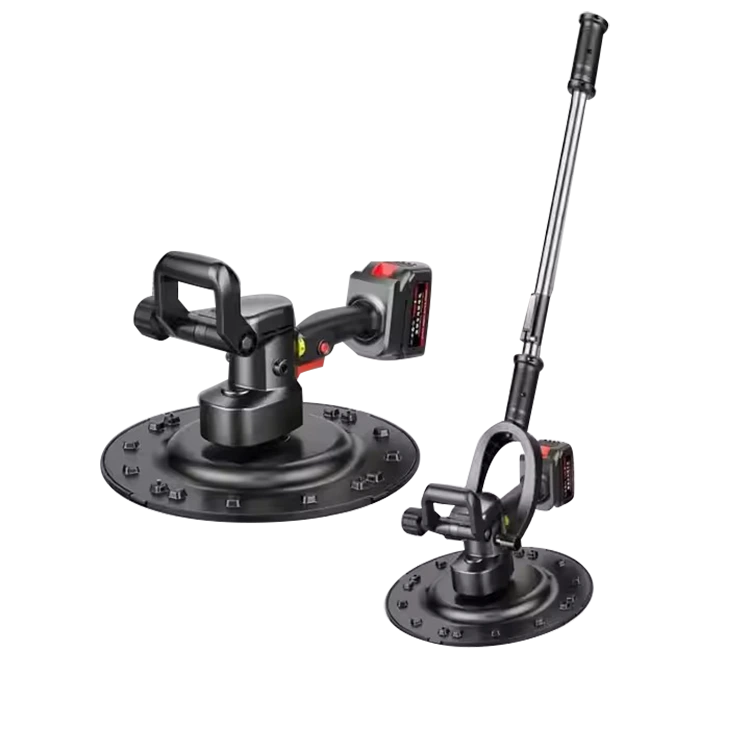
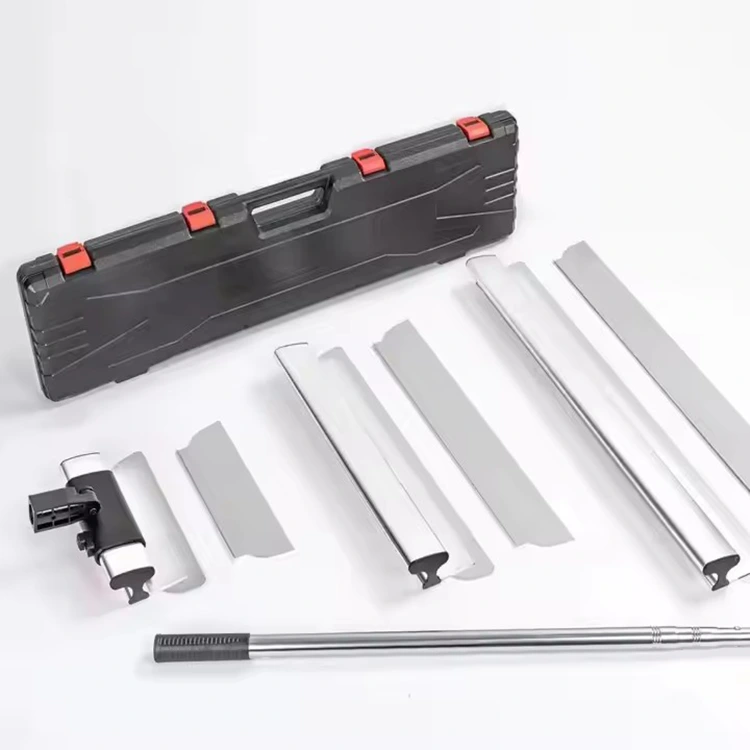
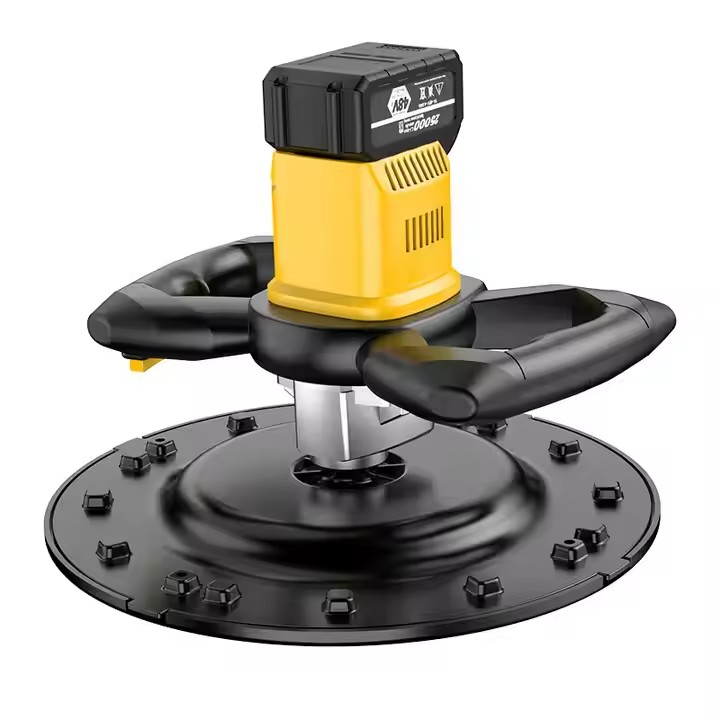
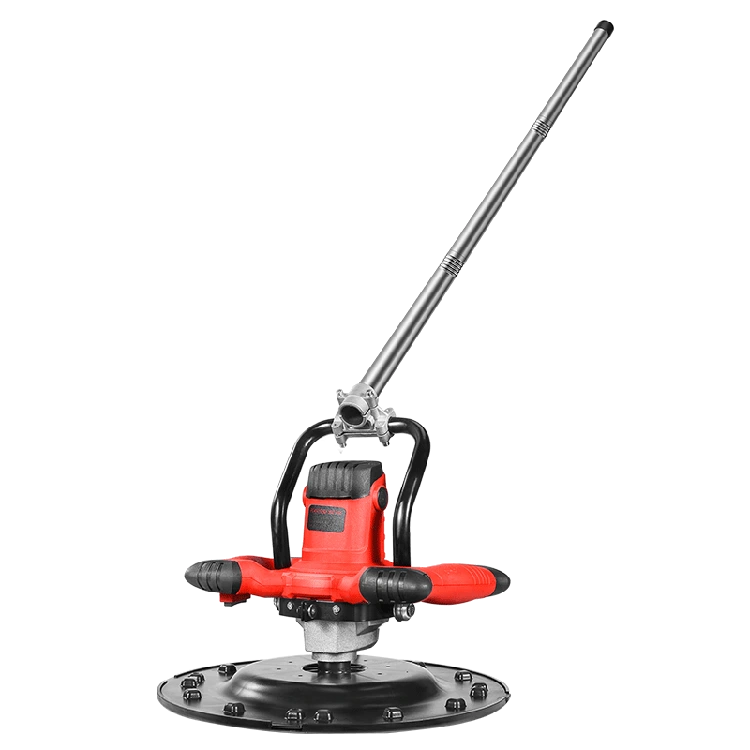
ZOOM Plastering Trowel Tools are increasingly being discussed across construction projects because professionals are paying closer attention to how blade design affects productivity, finish quality, and worker comfort. When working with modern mortar systems, the difference between a smooth finish and a costly rework often comes down to one overlooked detail: blade flexibility.
Construction techniques continue to evolve, yet one question remains highly relevant on job sites around the world: should a trowel use a flexible blade or a rigid blade? The answer depends largely on the mortar being applied, the desired finish, and the conditions of the project. As new materials enter the market and labor efficiency becomes a greater priority, understanding blade behavior has become more important than ever.
Mortar is not a one-size-fits-all material. Different formulations have different consistencies, drying times, and application requirements. A blade that performs exceptionally well with one mortar type may produce unsatisfactory results with another.
The choice between flexible and rigid blades affects:
- Surface smoothness
- Material distribution
- Application speed
- Operator fatigue
- Risk of air pockets
- Overall project consistency
Many construction teams focus on mortar quality while overlooking the tool interacting with that material every second of the application process.
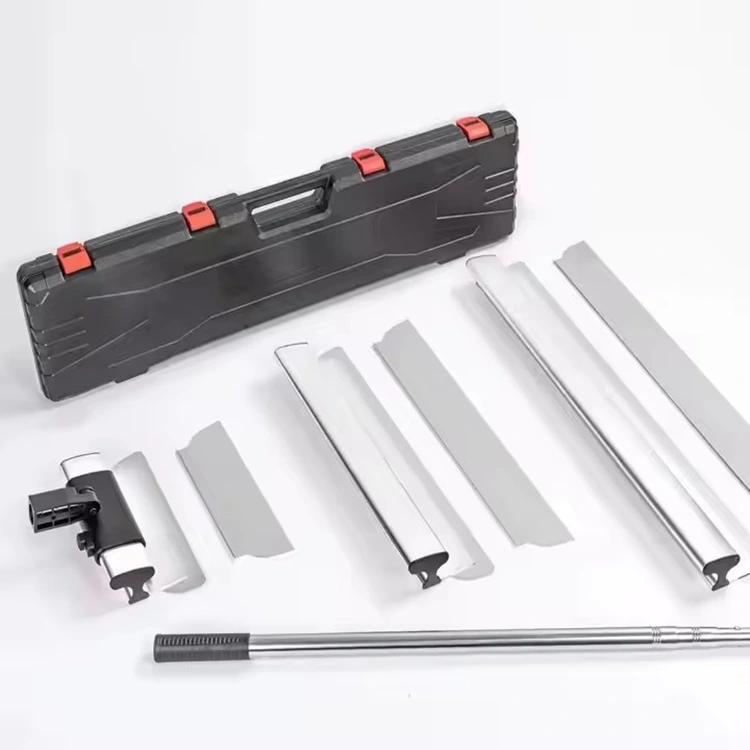
Think of a Trowel Tools blade as the bridge between the worker and the material. If that bridge is too stiff or too flexible for the task, performance suffers.
A flexible blade bends slightly under pressure, allowing it to adapt to minor surface variations. A rigid blade, on the other hand, maintains its shape and delivers stronger force transfer to the surface.
Understanding when to use each option can significantly improve results.
The following table highlights the major differences.
| Feature | Flexible Blade | Rigid Blade |
| Surface Adaptability | Excellent | Moderate |
| Fine Finishing Work | Excellent | Good |
| Thick Mortar Applications | Moderate | Excellent |
| Pressure Transfer | Lower | Higher |
| Surface Polishing | Excellent | Good |
| Edge Control | Moderate | Excellent |
| Learning Curve | Easier | Requires More Technique |
| Comfort During Long Use | High | Moderate |
Rather than viewing one option as superior, experienced professionals often select blade characteristics based on the material and project requirements.
Flexible blades are especially useful when working with fine finishing compounds and lightweight mortars.
Architectural wall finishes often require smooth transitions and minimal surface marks. Flexible blades conform more naturally to subtle wall contours and help create a cleaner visual appearance.
The final finishing layer is often thin and requires precise control. Excessive pressure can leave unwanted marks or ridges. Flexible blades reduce this risk by distributing force more evenly.
When polishing cured surfaces or applying finishing compounds, flexibility helps maintain continuous contact with the substrate, creating a more uniform appearance.
On expansive walls or floors, slight surface irregularities are unavoidable. Flexible blades adapt more easily and reduce visible imperfections.
Rigid blades remain essential for many demanding applications.
Heavy mortar mixtures often require significant force during spreading and leveling. A rigid blade provides stronger pressure transfer and improved control.
Repair mortars used on damaged concrete surfaces tend to be thicker and less forgiving. A rigid blade allows more aggressive material placement.
Creating clean corners, straight edges, and defined transitions often benefits from blade rigidity.
Initial layers frequently require substantial material movement. The stronger structure of a rigid blade helps maintain consistency across the surface.
Interestingly, many construction professionals are moving away from choosing purely flexible or purely rigid solutions.
Instead, there is growing demand for blades engineered to provide controlled flexibility. These designs offer enough stiffness for material control while maintaining sufficient adaptability for finishing work.
This trend reflects a broader movement within the construction sector: tools are increasingly expected to handle multiple tasks without compromising performance.
Blade characteristics are only part of the equation.
Even the best blade design can lose effectiveness if the tool creates excessive operator fatigue. Long working hours often reduce consistency, especially on large commercial projects.
Modern Trowel Tools increasingly incorporate ergonomic design principles, including:
- Lightweight construction
- Improved grip geometry
- Vibration reduction systems
- Balanced weight distribution
These features help maintain precision throughout the workday.
Studies across construction environments consistently show that worker fatigue affects application quality. As arm strain increases, pressure consistency decreases.
This is one reason lightweight equipment has become increasingly valued in flooring and wall-finishing operations.
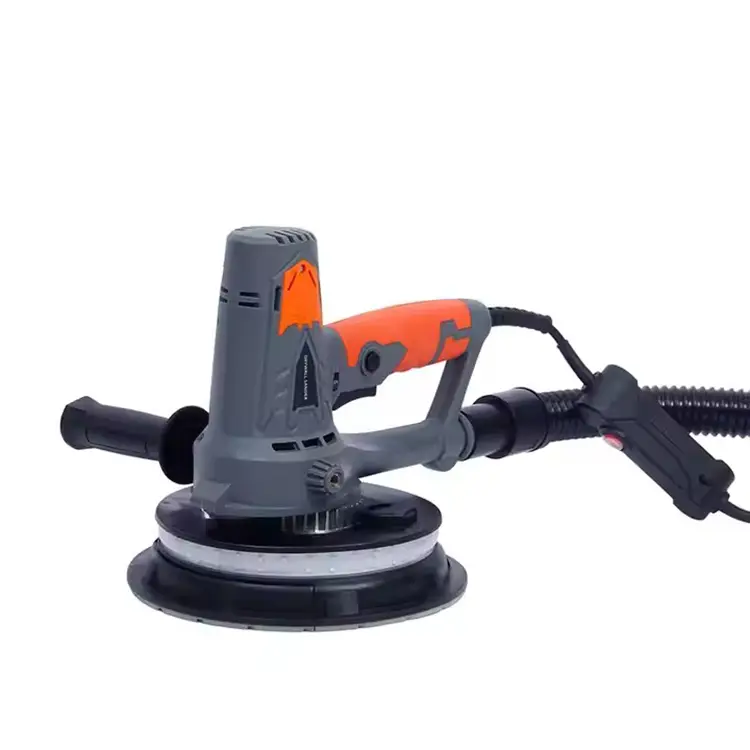
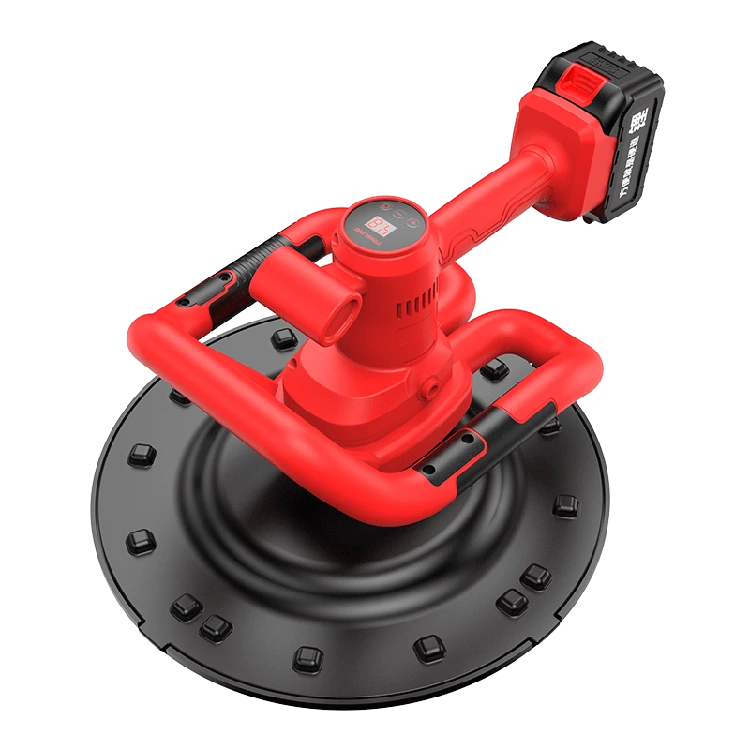
The ZOOM plastering trowel, weighing only 3.8 kg, is designed to reduce operator fatigue while maintaining reliable performance during extended use. Its ergonomic handle configuration helps support control across large project areas.
Construction environments can be demanding. Moisture, abrasive materials, dust, and repeated impacts place significant stress on tools.
For this reason, blade material quality is becoming a major selection factor.
Hardened stainless steel remains one of the most trusted materials due to its combination of:
- Corrosion resistance
- Wear resistance
- Structural stability
- Long service life
Anti-corrosion surface treatments further improve reliability in challenging environments, particularly where wet mortar applications are frequent.
Project schedules continue to tighten across residential, commercial, and infrastructure sectors.
As a result, versatility is becoming increasingly important. Professionals often move between rough leveling, smoothing, and finishing tasks within the same work session.
Quick-release blade systems allow faster adaptation without interrupting workflow. Rather than stopping work to change equipment entirely, operators can transition efficiently between stages.
This capability is especially useful on larger projects where multiple finishing requirements exist across different sections of a structure.
Although Trowel Tools have been used for centuries, today's designs incorporate technologies that previous generations could hardly imagine.
Recent innovations include:
- Shock-absorbing systems
- Improved blade metallurgy
- Dust-resistant housings
- Moisture protection
- Enhanced handle ergonomics
- Modular accessory compatibility
These developments demonstrate how even traditional construction tools continue to evolve alongside modern building techniques.
For example, vibration reduction systems can significantly decrease arm strain while helping maintain more consistent pressure across surfaces. This contributes to improved finish quality and greater comfort during long work periods.
When evaluating blade flexibility, the best approach is to start with the mortar rather than the tool.
Consider:
- Mortar density
- Desired finish quality
- Surface condition
- Project size
- Operator experience
- Environmental conditions
A flexible blade often excels in finishing and decorative applications, while a rigid blade remains highly effective for heavy-duty spreading and structural work.
The most productive solution frequently lies in selecting a tool capable of supporting multiple project requirements without sacrificing comfort or durability.
As construction materials continue to diversify, the discussion surrounding flexible versus rigid blades is expected to become even more important. Surface finishing quality, labor efficiency, and operator comfort are all increasingly connected to tool design.
Rather than treating blade selection as a minor detail, construction professionals are recognizing it as a strategic decision that directly influences project outcomes. Understanding how blade flexibility interacts with specific mortar types can help reduce rework, improve consistency, and enhance overall workflow efficiency.
Whether the task involves decorative wall finishes, commercial flooring, structural repairs, or precision polishing, selecting the appropriate blade characteristics remains a critical part of achieving reliable results. The ZOOM Plastering Trowel Tools and the expertise behind Yongkang Zhouxun Machinery Co., Ltd. illustrate how modern tool development continues to support evolving construction needs while balancing durability, efficiency, and user comfort.