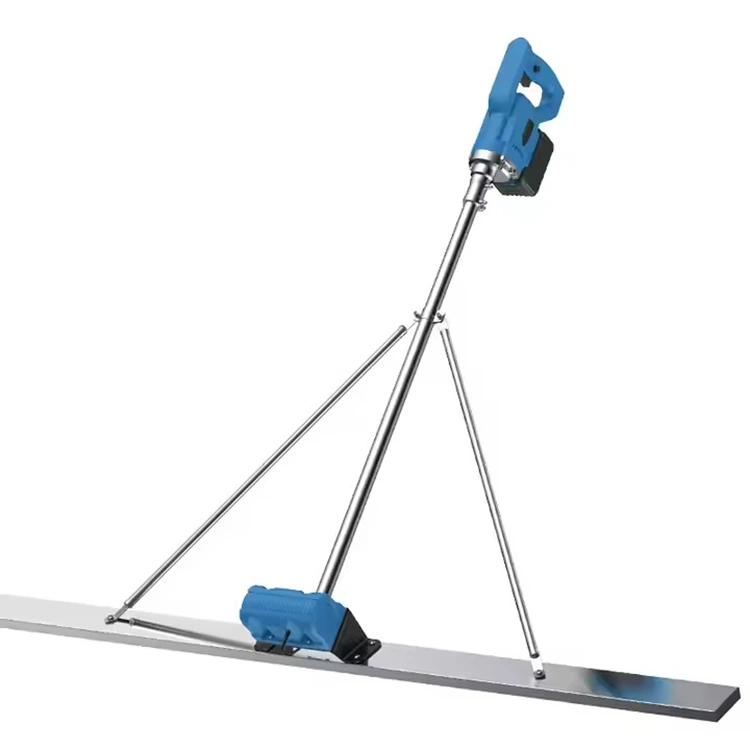
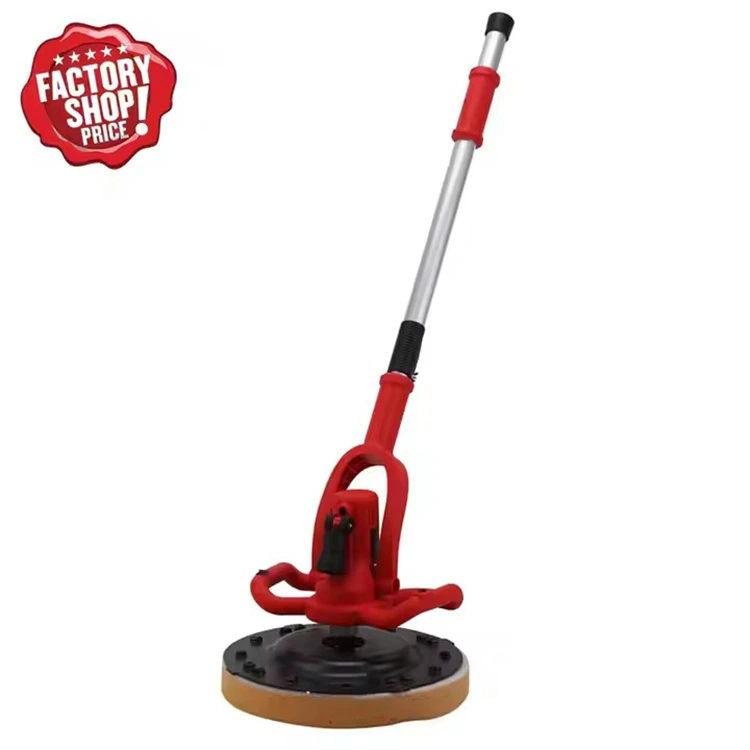
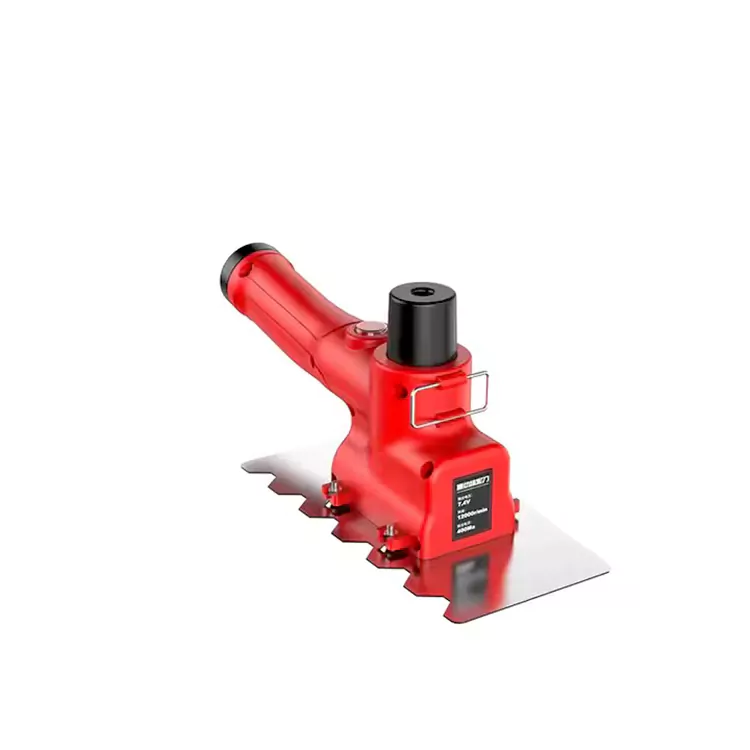
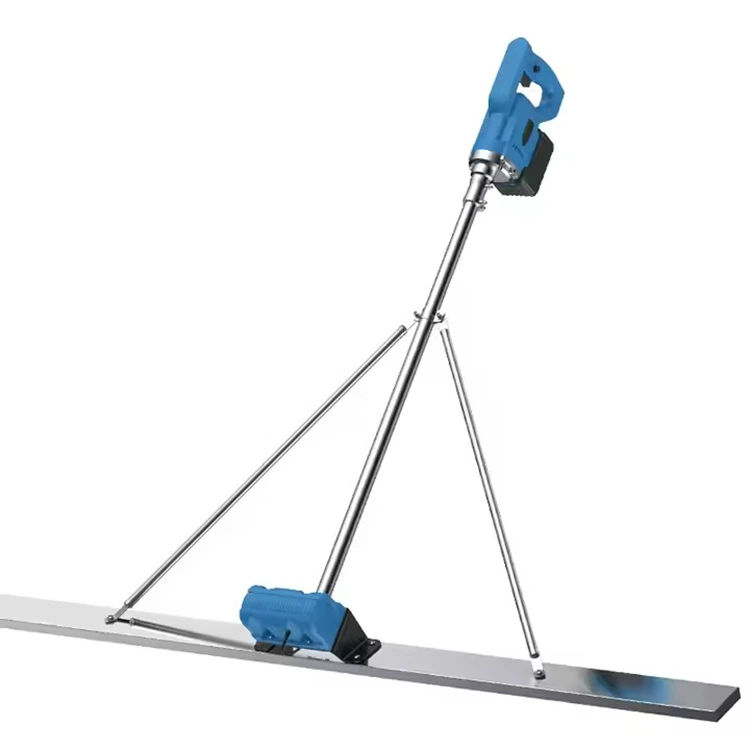
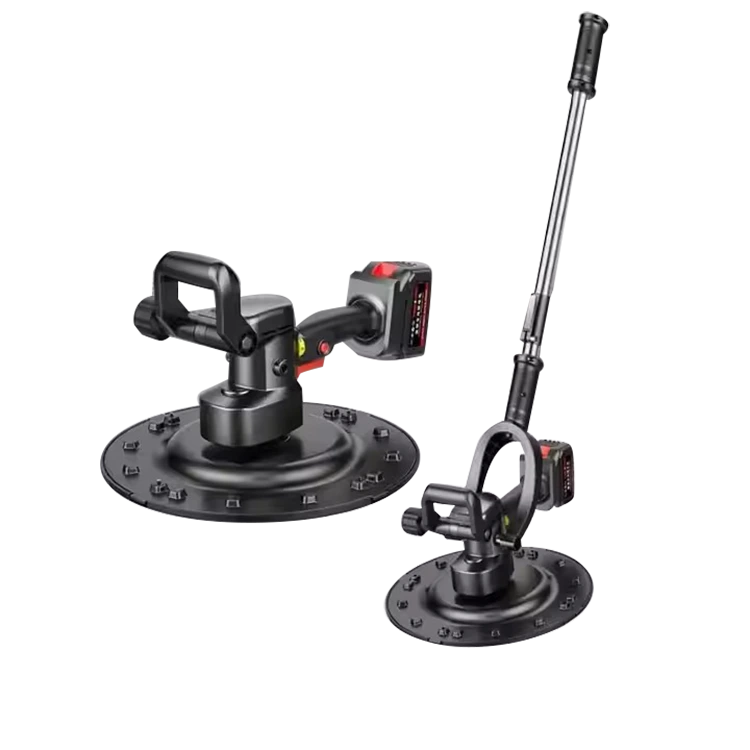
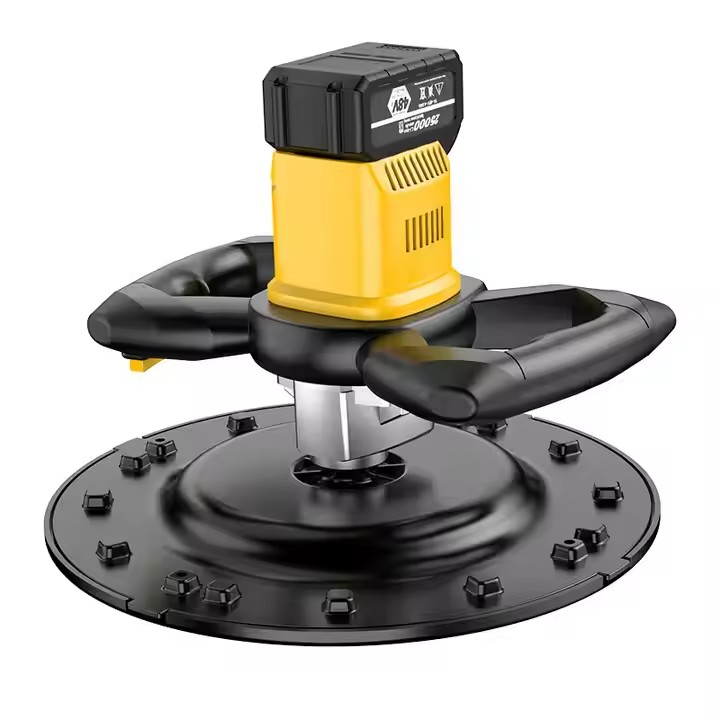
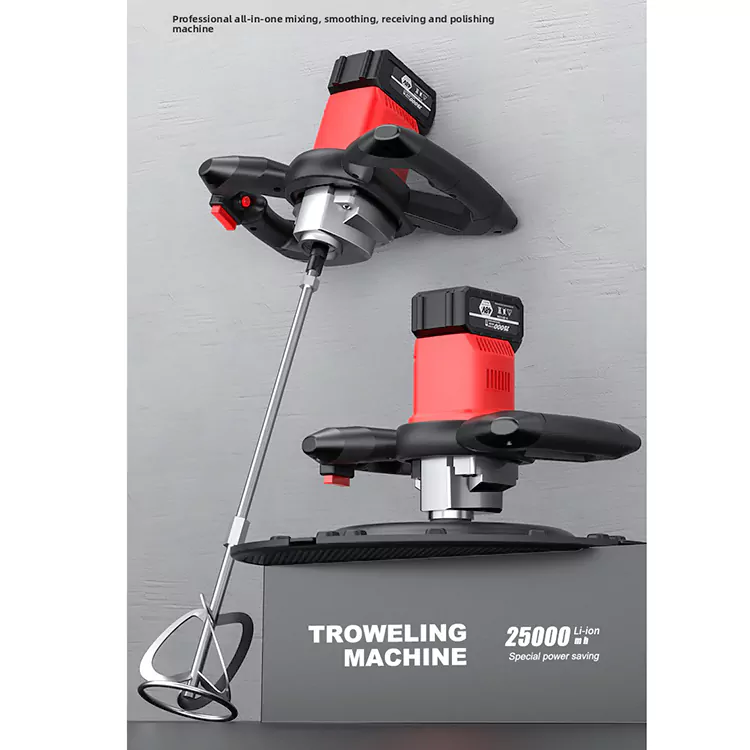
The Plastering Electric Trowel has become a critical tool in modern construction and renovation projects, transforming how professionals achieve smooth, high-quality wall and ceiling finishes. Compared with traditional hand troweling, this powered solution dramatically improves efficiency, consistency, and labor comfort, making it a preferred choice for contractors worldwide.
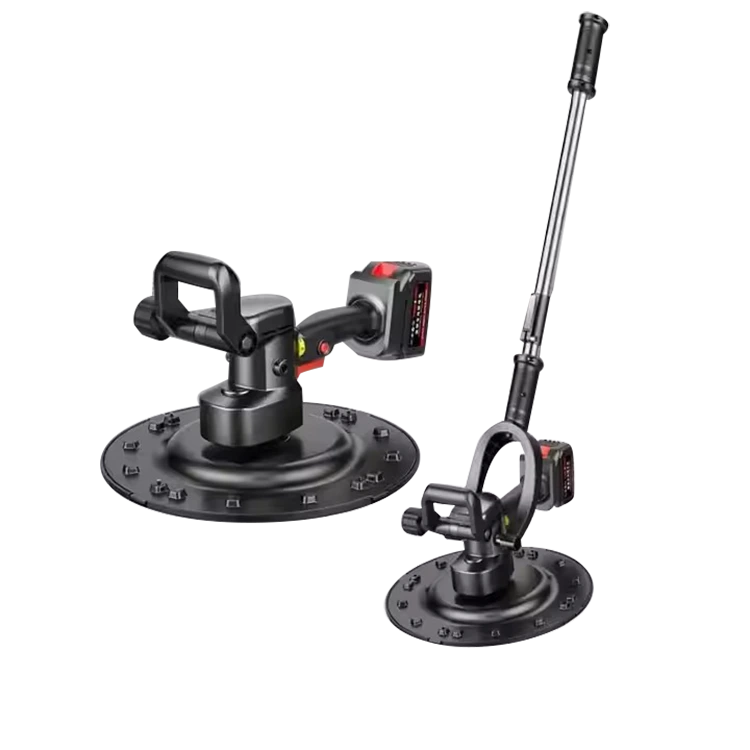
This in-depth article explores everything you need to know about plastering electric trowels, including keyword-expanded concepts, working principles, benefits, drawbacks, usage scenarios, and buying considerations. Drawing on industry expertise and manufacturing insights from Yongkang Zhouxun Machinery Co., Ltd., the guide is designed to help contractors, distributors, and decision-makers evaluate whether an electric plastering trowel is the right investment for their projects.
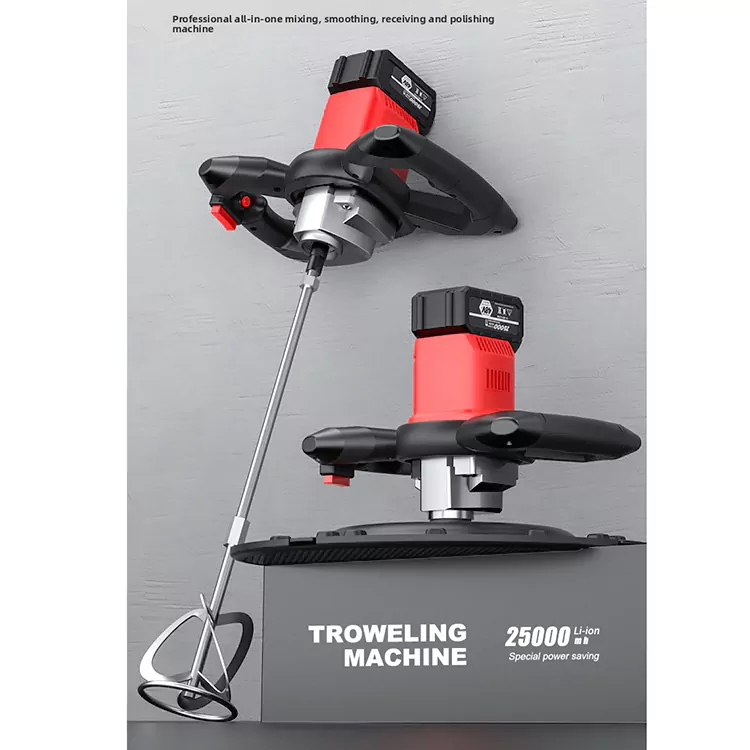
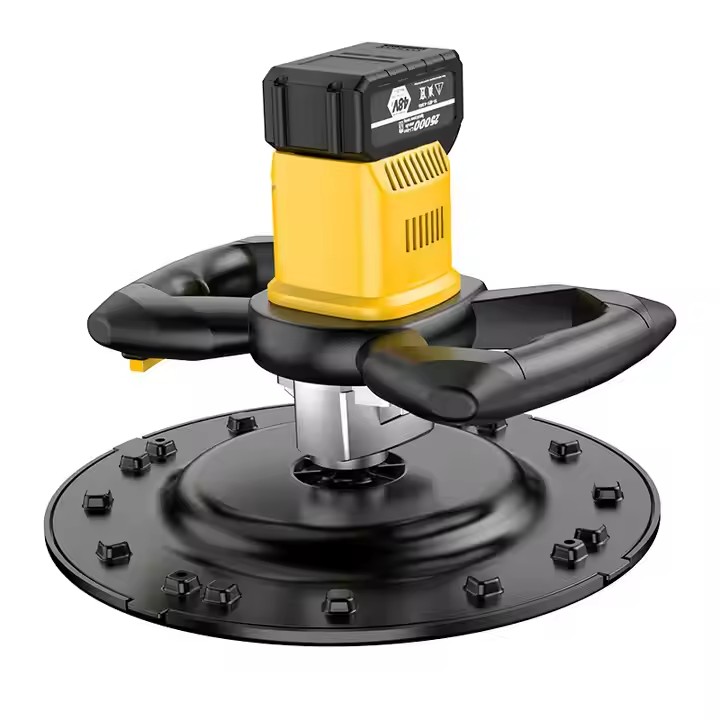
A plastering electric trowel is a motor-driven wall finishing tool designed to smooth, compress, and polish plastered surfaces. Unlike manual trowels, it uses rotational or oscillating motion powered by electricity to ensure uniform surface density and reduced human error.
Manufacturers such as Yongkang Zhouxun Machinery Co., Ltd. engineer these tools with ergonomic handles, adjustable speed controls, and interchangeable blades to meet diverse construction requirements.
| Primary Keyword | Expanded Variations | User Intent |
|---|---|---|
| Plastering Electric Trowel | electric plaster trowel, power plastering trowel | Professional tool research |
| Electric Wall Trowel | wall finishing machine, plaster wall polisher | Efficiency comparison |
| Plastering Machine | automatic plaster trowel, powered plaster tool | Purchase decision |
A plastering electric trowel operates by transmitting motor power to a rotating or vibrating blade plate. When applied to a freshly plastered surface, the blade compresses the material, removes air pockets, and produces a smooth, level finish.
Advanced models produced by Yongkang Zhouxun Machinery Co., Ltd. feature variable speed systems that allow operators to adapt performance based on plaster type, humidity, and surface area.
| Criteria | Electric Trowel | Manual Trowel |
|---|---|---|
| Efficiency | High | Low |
| Finish Consistency | Excellent | Operator-dependent |
| Labor Intensity | Low | High |
Q: What surfaces are suitable for a plastering electric trowel?
A: Plastering electric trowels are suitable for cement plaster, gypsum plaster, lime-based plaster, and some decorative coatings, making them versatile for both residential and commercial use.
Q: Is a plastering electric trowel suitable for beginners?
A: Yes, with minimal training. Many models are designed for ease of control, and manufacturers such as Yongkang Zhouxun Machinery Co., Ltd. provide operational guidance.
Q: How long does a plastering electric trowel last?
A: With proper maintenance, a high-quality electric trowel can last several years even under frequent job-site use.
Q: Can a plastering electric trowel replace manual finishing completely?
A: In most cases, yes, though fine detailing in corners may still require manual touch-ups.